NeWSLETTER

Talking Points: 28 May 2024

May 28, 2024

A quick roundup of the issues driving the healthcare reform conversation.

Week in Review

PBM VALUE The problem of rising prescription drug prices leaves Americans looking for answers.

Quick takeaway: Big Pharma continues deflect ing responsibility for unreasonable and alarming prescription drug markups by blaming Pharmacy Benefit Managers ( PBMs ) for the rising cost of medicine. 

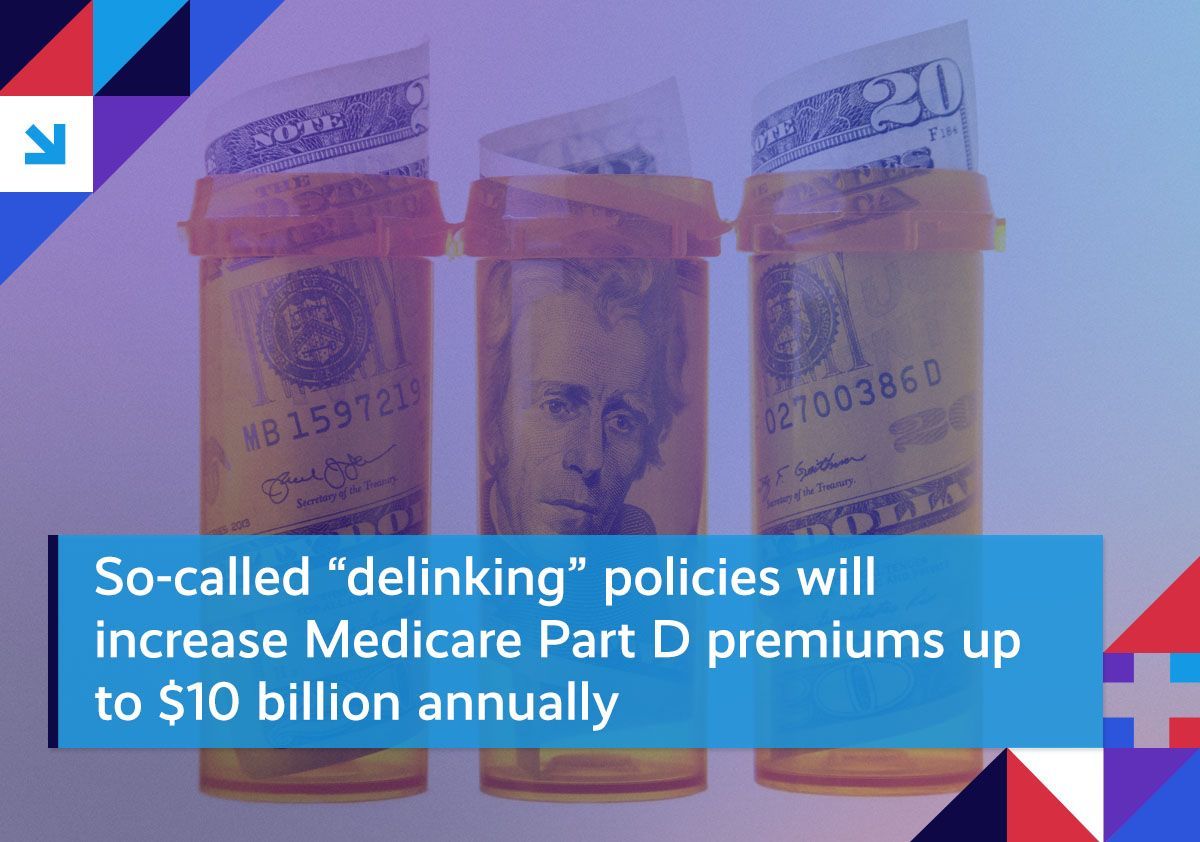
Digging deeper: Drugmakers are at it again, shifting Congressional conversations surrounding how to address the cost of drugs by pointing figures at others along the supply chain – namely, PBMs. Two House Committees recently passed legislation that would include a so-called “delinking” policy in Medicare. The bad policy put forward by drugmakers won’t lower the cost of drugs and it restricts the sole entity in the supply chain, PBMs, that advocate for consumers and deploy market-based tools ensuring patient medication access at prices they can afford.

By the numbers:  

  • Recent research by Reuters analyzed high drug costs and found that prices for new US drugs rose 35% in 2023 , more than the previous year.
  • Of the 47 drugs Reuters analyzed, at least 20 were priced above $350,000 per year .

What they’re saying: The only winner BIG PHARMA !

“The “delinking” policy would undermine incentives for pharmacy benefit companies to maximize competition in the market and secure savings for patients and health plan sponsors, resulting in higher drug prices, increased premiums, and handing drug companies a profit-boosting windfall. The result would be approximately an additional $10 billion every year for drug companies, while costing patients and payers up to $18 billion.”

-Casey Mulligan, University of Chicago Professor of Economics

“The latest egregious policy proposal, known as “PBM delinking,” illustrates this point, regulating how an employer can reimburse its PBM for services and hampering freedom of contract. The fact is, Congress should be encouraging innovative arrangements between PBMs, employers, and drug companies. Only flexibility in the market can deliver the reimbursement innovation that patients need to make pharmaceutical innovations affordable.”

Joe Grogan, visiting senior fellow at the USC Schaeffer Center

“A significant share of these higher costs (an estimated $6.3 billion–$21.9 billion) would accrue to drug manufacturers…Therefore, the aggregate effect of delinking in the commercial market and Part D could be an increase of more than $32 billion in drug profits.”

-Alex Brill, CEO MGA Advisors and former policy director and chief economist for the U.S. House Committee on Ways and Means

You can keep up with the latest by following the  Health Action Network  on  X  and by liking us on  Facebook. And, be sure to check us out on  LinkedIn , too. As always,  let us know  if there’s something you’d like to see covered in a future newsletter.

The  Health Action Network  includes everyday Americans—families, workers, businesses, patients, providers, neighbors, and friends. We are working together because we support market-based solutions that offer better healthcare choices and help build a stronger economy. The  Health Action Network  is an Elevance Health , Inc., initiative.

STAY INFORMED

Related Articles

By Colleen Connelly January 13, 2025
A quick roundup of the issues driving the healthcare reform conversation.
By Colleen Connelly December 6, 2024
A quick roundup of the issues driving the healthcare reform conversation.
By Colleen Connelly November 22, 2024
A quick roundup of the issues driving the healthcare reform conversation.
By Colleen Connelly November 18, 2024
A quick roundup of the issues driving the healthcare reform conversation.

Be part of the conversation

Lorem ipsum dolor sit amet, consectetur adipiscing elit. Morbi nec mattis dolor. Duis tortor odio, pulvinar a dictum vitae, porta id dolor. Duis fermentum est vitae metus consectetur, eget dictum enim dapibus. Mauris a nisl orci.

Contact Us